


PERSONAL HYGIENE
Personal hygiene refers to daily practices that help maintain cleanliness and promote good health. It is an essential part of living a healthy life, as it prevents the spread of diseases, boosts self-confidence, and improves social interactions. Good hygiene habits are simple yet powerful ways to protect both physical and mental well-being.
IMPORTANCE OF PERSONAL HYGIENE
Maintaining personal hygiene is crucial because it helps prevent infections and illnesses caused by bacteria, viruses, and other harmful organisms. Cleanliness also enhances self-esteem and creates a positive impression in social and professional settings. Poor hygiene, on the other hand, can lead to health problems such as skin infections, dental issues, body odor, etc.
DAILY HYGIENE PRACTICES
• Bathing Regularly
Taking a bath or shower daily helps remove dirt, sweat, and germs from the body. It keeps the skin fresh and reduces the risk of skin infections.
• Hand Washing
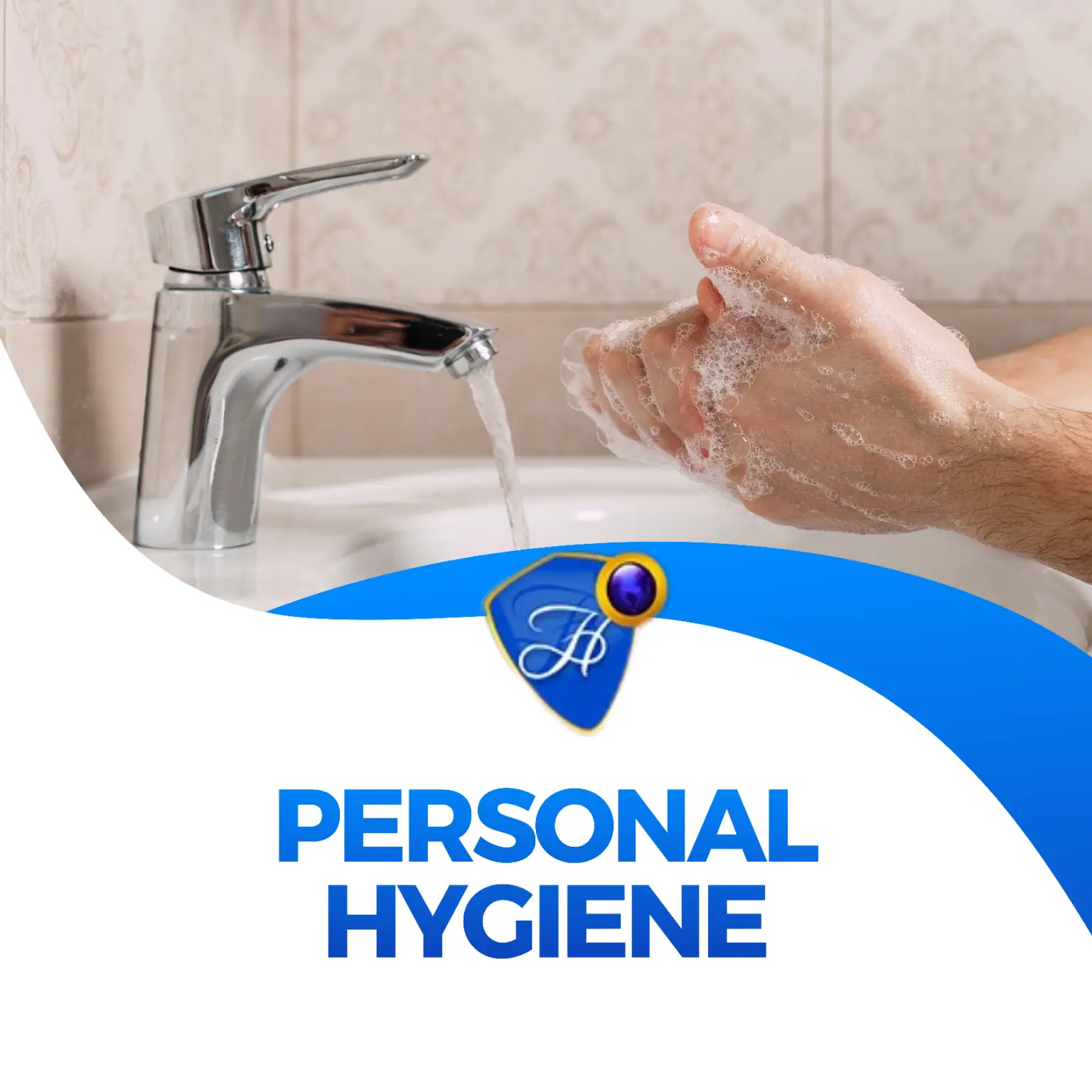
Washing hands frequently with soap and clean water is one of the most effective ways to prevent the spread of diseases. It is especially important before eating and after using the toilet.
• Oral Hygiene
Brushing teeth at least twice a day and flossing regularly help prevent tooth decay, gum disease, and bad breath. Regular dental check-ups are also important.
• Hair Care
Keeping hair clean and well-groomed prevents scalp infections and dandruff. Regular washing and combing help maintain healthy hair.
• Nail Care
Trimming and cleaning nails regularly prevent the buildup of dirt and germs that can cause infections.
PERSONAL HYGIENE AND HEALTH
Good hygiene practices protect individuals from common illnesses such as colds, flu, and foodborne diseases. They also play a role in preventing more serious infections. Maintaining cleanliness supports overall well-being and reduces healthcare costs.
ENVIRONMENTAL HYGIENE
Personal hygiene is closely linked to a clean environment. Keeping living spaces clean, disposing of waste properly, and ensuring access to clean water all contribute to better hygiene and health.
SOCIAL AND PSYCHOLOGICAL BENEFITS
Practicing good hygiene improves confidence and self-image. It helps individuals feel comfortable in social situations and promotes positive relationships. Cleanliness is often associated with discipline and responsibility.
CONCLUSION
In conclusion, personal hygiene is a fundamental aspect of a healthy lifestyle. By practicing simple daily habits such as bathing, hand washing, and oral care, individuals can protect themselves from diseases and improve their quality of life.
Maintaining good hygiene not only benefits personal health but also contributes to a healthier community.