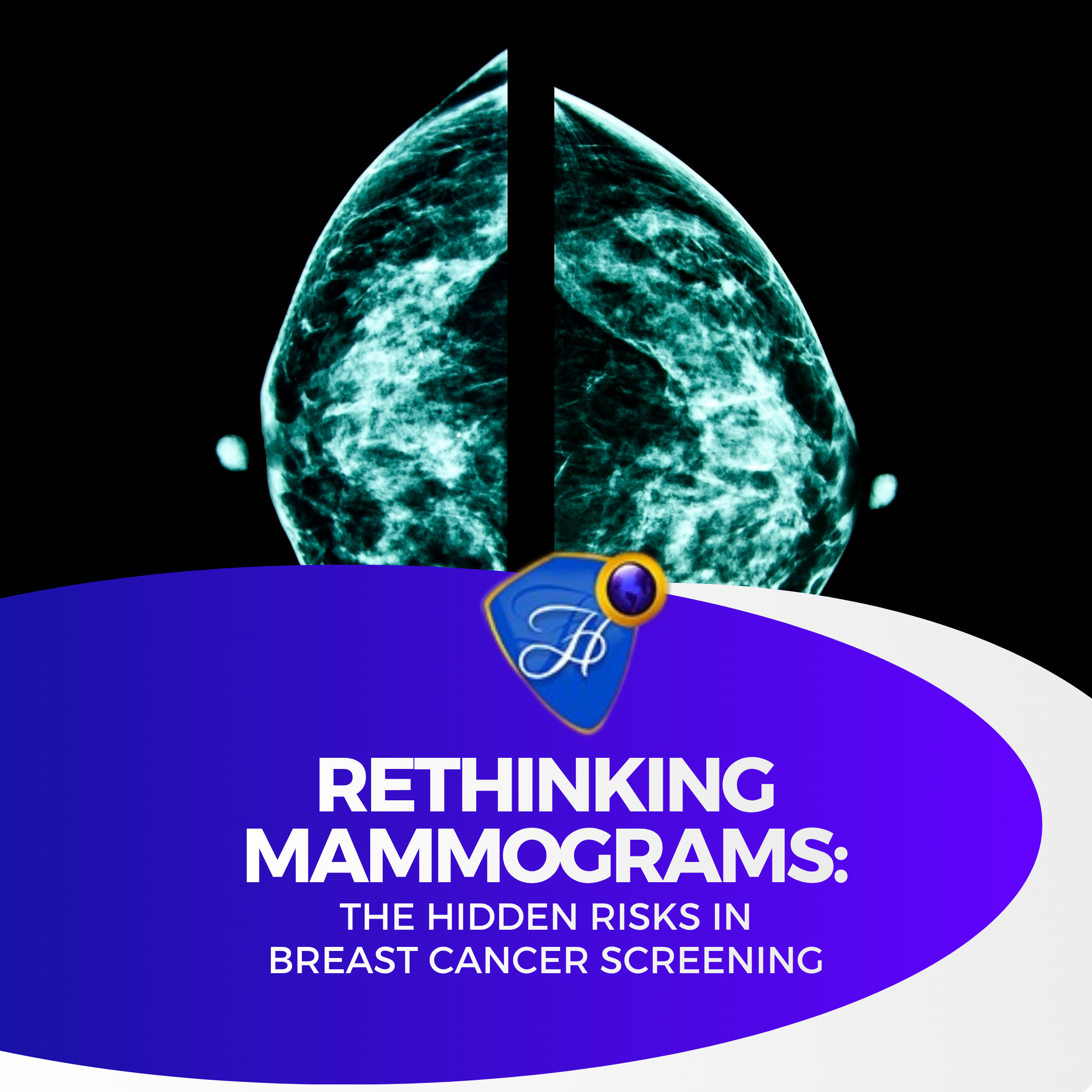



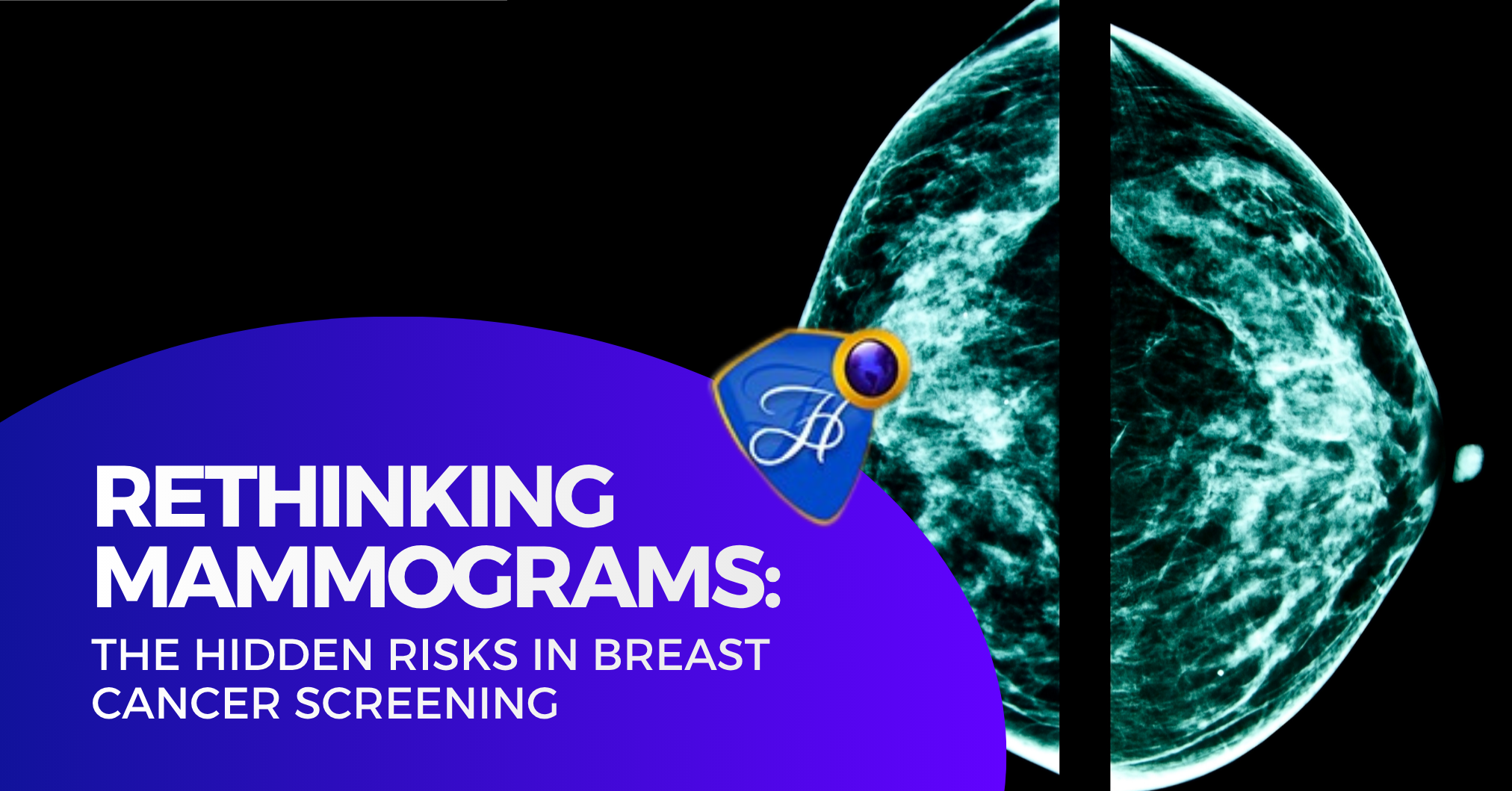
RETHINKING MAMMOGRAMS: THE HIDDEN RISKS IN BREAST CANCER SCREENING
In the modern pursuit of wellness, routine mammograms have become a standard recommendation for early breast cancer detection in women. However, substantial evidence from independent reviews and long-term analyses reveals that this practice may cause more harm than benefit for many. Radiation exposure, high rates of overdiagnosis, and the creation of unnecessary patients raise important questions about whether the push for annual screenings truly supports healthy living or serves other interests.
RADIATION EXPOSURE: A KNOWN CONTRIBUTOR TO CANCER RISK
Mammograms rely on ionizing radiation to create images of breast tissue. Breast tissue, particularly in women with dense breasts, is highly sensitive to radiation. One mammogram delivers a dose roughly equivalent to many chest X-rays, and repeated annual screenings lead to cumulative exposure. Modeling studies, such as one published in the Annals of Internal Medicine, project that annual screening of 100,000 women aged 40–74 could induce approximately 125 new breast cancers and result in 16 deaths from radiation-induced cancers, even while claiming to prevent others through early detection.
Compression of the breast during the procedure can cause tissue trauma and inflammation, potentially making cells more vulnerable when exposed to radiation immediately afterward. Some European analyses have led countries like Switzerland to question or limit population-wide programs, citing evidence where harms appear to outweigh benefits in broad screening.
OVERDIAGNOSIS: TURNING HEALTHY WOMEN INTO CANCER PATIENTS
One of the most significant issues is overdiagnosis — detecting small tumors or pre-cancers (such as ductal carcinoma in situ, or DCIS) that may never progress to cause symptoms or death. Studies, including analyses in the New England Journal of Medicine, suggest that over decades in the U.S., more than 1.3 million women may have been diagnosed and treated for breast cancers that would not have become life-threatening. These women often undergo surgeries (lumpectomy or mastectomy), radiation, chemotherapy, and hormone therapies — interventions with real physical, emotional, and financial costs — for conditions that might have remained harmless.
Recent studies place overdiagnosis rates for screen-detected cancers around 15–30% or higher depending on age and screening intensity. This creates anxiety, alters self-identity, and exposes women to treatment side effects without improving overall survival in many cases.
THE INDUSTRY BEHIND THE PUSH
Breast cancer screening has evolved into a multi-billion-dollar sector involving device manufacturers, radiologists, oncologists, pharmaceutical companies, and awareness organizations. Promotion often centers on fear-based messaging around "early detection" while downplaying radiation risks, overdiagnosis, and the modest absolute benefits in mortality reduction (often cited around 15% relative reduction in some trials, translating to very small absolute gains).
Cancer is a complex disease influenced by environmental toxins, lifestyle, diet, chronic inflammation, and other factors — not always a random or purely "natural" occurrence. Routine mammograms introduce a controllable risk factor (radiation) into sensitive tissue while generating ongoing customers for treatment rather than focusing primarily on true prevention. In regions with less aggressive screening, outcomes in some metrics have not worsened dramatically, challenging the necessity of yearly procedures for all women.
EMBRACING INFORMED HEALTHY LIVING
True healthy living prioritizes minimizing harm while supporting the body's natural Informed;
• Lifestyle Foundations: Emphasize nutrient-dense foods, regular movement, healthy weight maintenance, stress management, toxin avoidance, and sufficient sleep. These address potential contributors to cellular health more directly than detection alone.
• Consider Alternatives: For dense breasts or younger women, ultrasound or other modalities may offer options with less or no radiation in certain contexts. Self-awareness of body changes remains valuable.
• Question Routine Advice: Not every recommendation fits every individual. Data showing higher cancer rates in some regularly screened groups compared to less-screened ones in certain studies highlights the need for caution.
Routine annual mammograms are not risk-free and may contribute to the very issue they aim to address in some cases through radiation and overdiagnosis. While they may provide value for select higher-risk individuals, broad population promotion deserves reevaluation in light of documented harms and modest absolute benefits in many analyses. Empower yourself with independent sources. Focus on daily habits that support your body’s natural defenses; because True prevention and informed caution offer a stronger path to long-term well-being than fear-driven routines.