



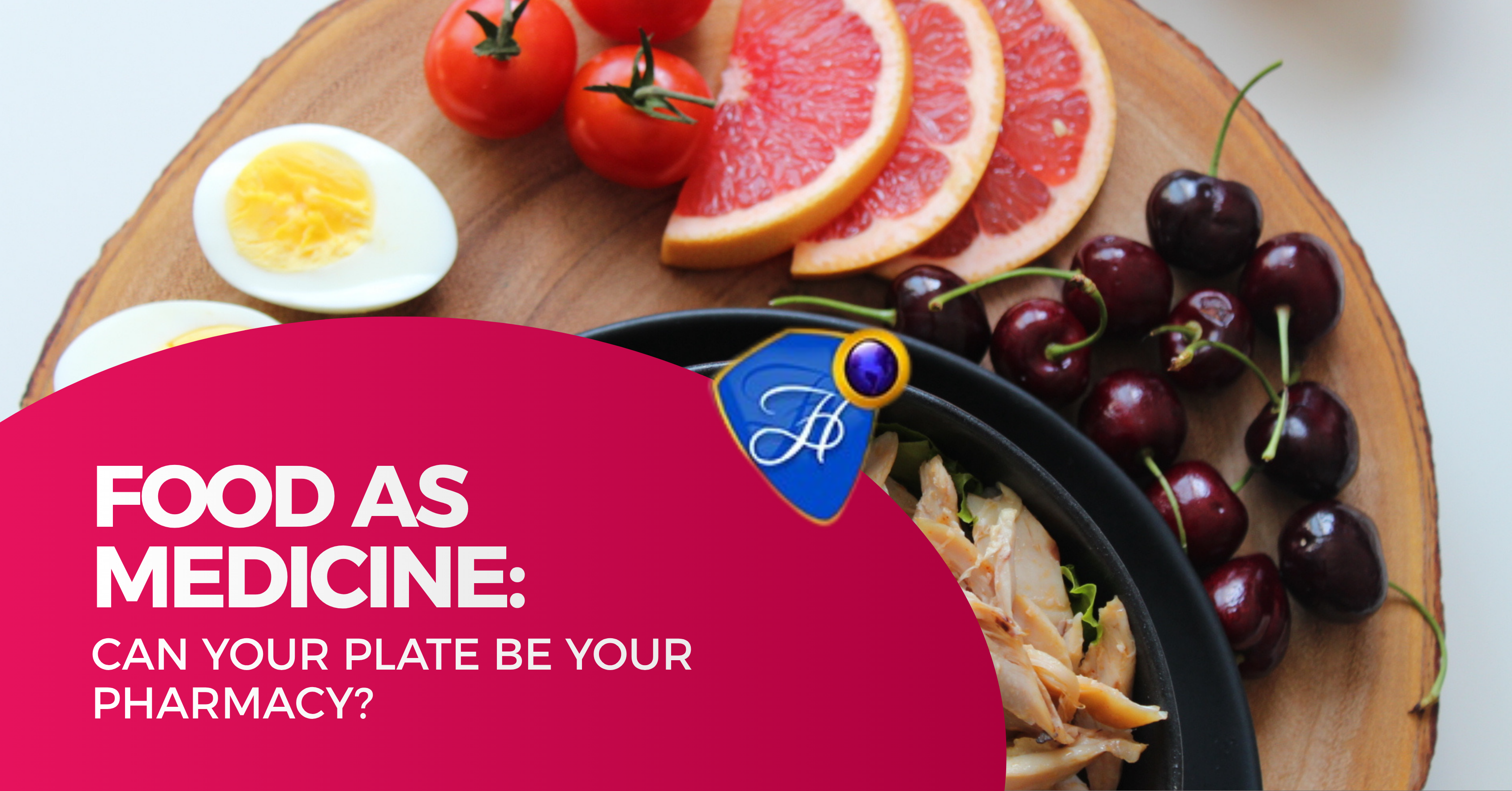
FOOD AS MEDICINE: CAN YOUR PLATE BE YOUR PHARMACY?
Imagine walking into your kitchen and finding a medicine cabinet hidden in plain sight. It’s not behind a mirror or tucked away in a drawer—it’s your refrigerator, pantry, and fruit basket. The truth is that many of the foods we eat every day have powerful health benefits that can help prevent disease, strengthen the body, and improve overall well-being. While food is not a replacement for professional medical treatment, it plays a vital role in keeping us healthy. In many ways, food can be one of the most effective forms of preventive medicine.
WHY FOOD MATTERS MORE THAN WE THINK
Every bite we take sends a message to our bodies. Some foods promote healing, while others may contribute to illness when consumed excessively. Nutrient-rich foods provide vitamins, minerals, antioxidants, and healthy fats that help the body function properly. Think of your body as a high-performance vehicle. Even the best car won’t run efficiently on poor-quality fuel. Similarly, your body thrives when it receives the nutrients it needs.
You don’t need exotic ingredients or expensive supplements to experience the benefits of food as medicine. Some of the most powerful health boosters may already be in your kitchen, such as:
Garlic: Nature’s Tiny Defender
Garlic has been used for centuries for its medicinal properties. It may help support heart health, strengthen the immune system, and fight harmful bacteria.
Ginger: The Stomach’s Best Friend
Feeling nauseous or dealing with an upset stomach? Ginger has long been recognized for helping reduce nausea and supporting digestion.
Leafy Greens: The Nutrient Champions
Vegetables like spinach, kale, and lettuce are packed with vitamins, minerals, and antioxidants that support healthy bones, skin, and immunity.
Berries: Small but Mighty
Blueberries, strawberries, and other berries contain powerful antioxidants that help protect the body’s cells from damage.
One of the greatest benefits of healthy eating is its ability to reduce the risk of chronic diseases. Research consistently shows that balanced diets rich in fruits, vegetables, whole grains, legumes, and healthy fats can help lower the risk of conditions such as heart disease, type 2 diabetes, high blood pressure, obesity, and certain types of cancer.
The goal isn’t perfection—it’s consistency. Small, healthy choices made daily can produce significant results over time.
EATING FOR ENERGY, NOT JUST FULLNESS
Have you ever felt sleepy after a heavy meal? That’s because not all foods affect the body the same way. Highly processed foods often provide quick energy followed by a crash. On the other hand, nutrient-dense foods provide more stable energy levels throughout the day.
To stay energized:
Drink plenty of water.
Include fruits and vegetables in every meal.
Choose whole grains when possible.
Eat sources of healthy protein.
Your body doesn’t just need food—it needs the right food.
THE MEDICINE OF MODERATION
Even healthy foods can become unhealthy when consumed in excess. The secret isn’t found in extreme diets or miracle foods; it’s found in balance.
A healthy lifestyle includes:
Eating a variety of foods
Managing portion sizes
Staying physically active
Getting adequate sleep
Managing stress
Remember: no single meal will make or break your health. What matters most is your overall pattern of eating.
In conclusion, the phrase “food as medicine” isn’t just a trendy slogan—it’s a reminder that our daily choices have a powerful impact on our health. Every meal is an opportunity to nourish, strengthen, and support our bodies. So the next time you sit down to eat, ask yourself: “Is this feeding my hunger, my health, or both?” The answer may change the way you view your plate forever.
What food do you consider your personal “medicine”? Share your thoughts in the comments, and don’t forget to like and share this article with someone who could use a healthier perspective on food.